Well, let me start first with the things I DO like that they (Silicon Valley tech bros like Elon Musk and Peter Thiel) also are known to like.
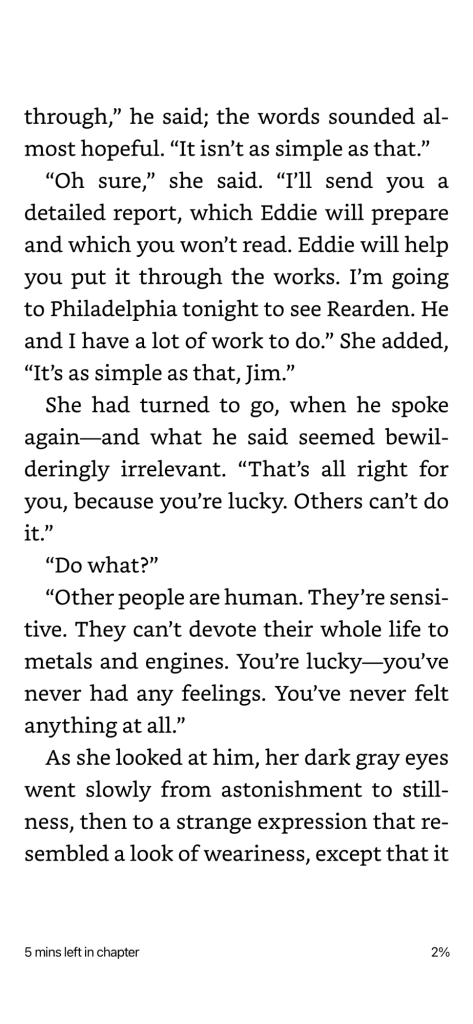
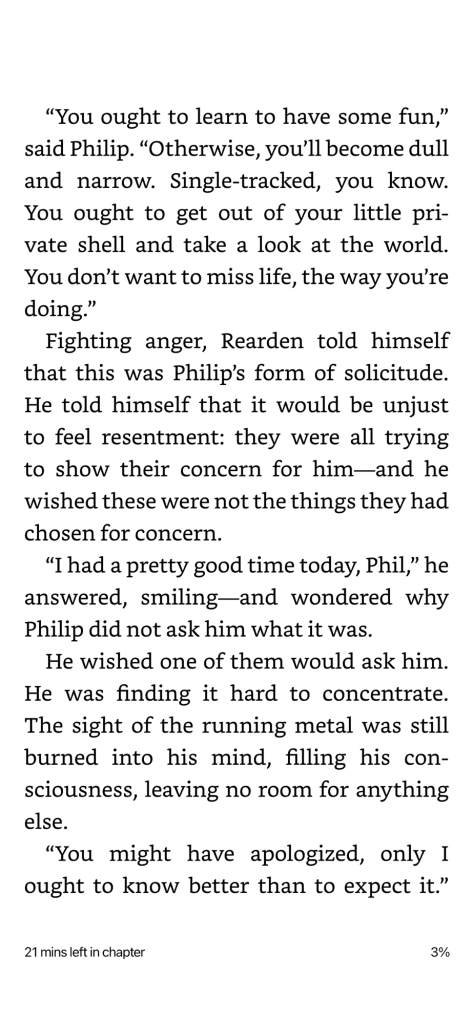
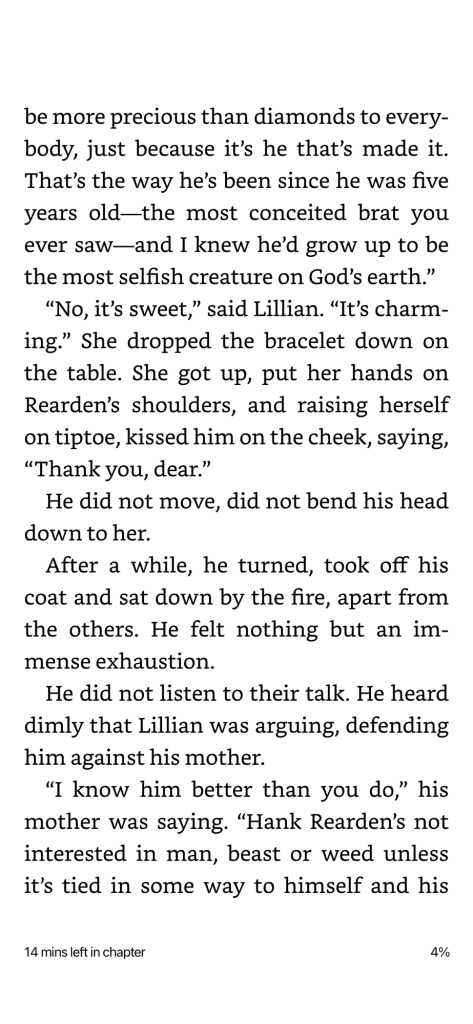
I like the first 80% of Atlas Shrugged.
I do still love Douglas Adams. Mostly.
But I think I don’t like Iain M. Banks. I read somewhere that Elon and his buddies have referenced in multiple instances their love of Banks’ Culture series of space opera novels. So in my casual side quest to read what they read, to understand their motivations for controlling this current hellish movement in American history, I downloaded a copy of Consider Phlebas, the first book of the Culture series.
And it’s bad.
I’m only 43% in, and I recall seeing some user reviews that suggest the first book isn’t well regarded and the series gets much, much better. But my lack of faith in that opinion is like arguing with someone against Jordan Peterson, when they say “But you really have to watch this 3 hour video he did on personal responsibility and the importance of tidiness” or “You really have to watch these 7 videos of him DESTROYING these left wing cucks in carefully curated straw man debates”. Uh, no I don’t.
There’s enough for me to dislike already.
First, there is very little that’s compelling about the main character, Horza, a “Changer” operative that can impersonate anyone and has advanced self-bio-hacking abilities. Yawn.
Then, eventually, he is dropped into a “the natives are restless” hostile island situation, where the villain is this disgustingly obese (see, I avoided using the word morbidly which is so overdone) corpulent cesspool of a tyrant. And it’s just so gross and cruel and without purpose or reason, to get so graphic and torturous. I feel like the intention is to be funny, but it’s dreadfully unfunny, and lacking of the wit and underlying kindness of say, Douglas Adams in Hitchhiker’s Guide.
And then there’s this casual tossing around of words like slut and bitch to refer to incidental background character women. I imagine it’s possible to explain this away as “it was a different time”, which I imagine to be the 90’s and early oughts. But still, it’s just done so artlessly and without humour. It’s out of touch and dated.
Anyway, I am struggling to finish this one and won’t be buying more.
Give me my woke-ass appreciation of Octavia Butler anytime. That shit is breathtaking, especially in comparison to this apparently upwardly-failing Englishman, may he rest in peace.


 Dork Helmet